Construction
Building a House in Kenya While Living Abroad: A Complete Guide
More and more people who live in Europe, North America or the Gulf are building homes in Kenya — as a future retirement base, a holiday villa on the coast, or a long-term investment. The Kenyan coast in particular, with its warm climate, beaches and established international community, attracts buyers who want more than a hotel week. But building a house is demanding even when you live next door to the site. Doing it from another continent adds a second layer: you cannot check the foundations on your way home from work, and you cannot knock on your contractor's door unannounced. This guide explains how remote building works in practice: how to choose a plot and a construction partner, how the building process runs, how to monitor progress and payments from abroad, and which mistakes to avoid. It draws on twenty years of building and supervising homes on the Kenyan coast.

Can You Build a House in Kenya Without Living There?
Yes. It is entirely possible to coordinate a residential construction project in Kenya while living overseas — provided that qualified local professionals manage the site, inspections, approvals and reporting. What is not possible is unsupervised construction. The distinction matters: remote building works when every decision, payment and milestone flows through a structured process with people you trust on the ground. It fails when money is sent and silence follows. In practice, successful remote projects share three elements: a contractor or construction manager with a verifiable track record, a written contract with clear milestones, and a reporting rhythm that keeps you informed without you having to ask. Many of our clients follow their entire build from Germany, Austria or Switzerland — and see their house for the first time at handover. Others visit once or twice at key stages. Both approaches work when the fundamentals are in place.
Choosing the Right Location and Plot
Location decisions made from abroad are hard to reverse, so take time here. The Kenyan coast offers several distinct markets, each with its own character, price level and infrastructure.
- Title verification: your lawyer checks the title deed at the Land Registry — ownership history, encumbrances, disputes. Non-citizens can hold leasehold title of up to 99 years (Constitution of Kenya, Article 65); the details are in our guide to foreign property ownership.
- Road access: confirm legal, year-round access — not just a track across a neighbour's land.
- Water and electricity: check the distance to the nearest connection points; extending lines adds cost and time.
- Drainage and soil: coastal plots range from coral rock to black cotton soil; a soil assessment before purchase avoids expensive surprises in the foundations.
- Planning restrictions: county governments set zoning, plot coverage and height limits — verify what may be built before you buy.
Can foreigners buy property in Kenya?
Diani Beach
Kenya's best-known beach address, south of Mombasa: a long white-sand beach, an international community, supermarkets, medical facilities and an airstrip with daily flights to Nairobi. Plots close to the beach are scarce and priced accordingly; the second and third rows offer more space for the money.
Watamu
A smaller, quieter village further north, known for its marine national park and Italian influence. Attractive for buyers who value nature and calm over infrastructure.
Kilifi
A growing town on a tidal creek between Mombasa and Malindi, popular with sailors and a younger international crowd. Good road access via the Mombasa–Malindi highway.
Malindi
An established coastal town with its own airport, a long Italian presence and generally lower land prices than Diani.
Choosing a Reliable Construction Partner
Your choice of contractor matters more than any other decision in a remote build. You are not buying a price — you are buying a process you can trust from six thousand kilometres away.
- Registration: check that the contractor is registered with the National Construction Authority (NCA), Kenya's statutory regulator for the construction industry.
- Relevant experience: ask for completed projects of similar size and type — and visit them, or have someone you trust visit.
- Construction quality: look at details in finished houses, not brochures. Our guide to German construction quality in Kenya explains what to look for.
- Local expertise: coastal construction has its own rules — materials, suppliers, labour and climate differ from Nairobi or Europe.
- Transparent quotation: a serious quote itemises materials, labour and margins. A single lump sum with no breakdown is a warning sign.
- Client references: speak to previous clients, ideally ones who built from abroad themselves.
- Communication: agree on language, channels and response times before signing.
- Independent supervision: consider an architect or construction manager who reports to you, not to the contractor.
The House-Building Process in Kenya
A residential build in Kenya follows a sequence that will feel familiar if you have built in Europe — with a few local particularities. Understanding the stages helps you ask the right questions at the right time.
- 1. Initial consultation: goals, budget range, timeline and site conditions are clarified — ideally before the land purchase.
- 2. Architectural design: the architect develops the design with you, typically in several feedback rounds that work well by video call.
- 3. Engineering and specifications: structural engineering, materials and finishes are defined in a written specification.
- 4. Budgeting and bill of quantities: the design is priced item by item, producing the baseline for the contract and payments.
- 5. Permits and approvals: building plans are submitted to the county government; larger projects may require an environmental assessment through the National Environment Management Authority (NEMA).
- 6. Construction: site preparation, foundations, structure, roof, installations and finishes — the longest phase, and the one where supervision pays off.
- 7. Inspections and handover: a documented snagging process, correction of defects, and formal handover with all warranties and documents.
Building a house in Kenya: the step-by-step construction guide
How to Monitor Construction From Abroad
Remote monitoring is not about watching a webcam — it is about structured, verifiable reporting that lets you make decisions with confidence.
- Progress photographs: dated, labelled photos of each stage, taken from consistent viewpoints.
- Video walkthroughs: regular filmed tours of the site with commentary — far more revealing than stills.
- Scheduled written reports: a fixed weekly or fortnightly report covering progress, workforce, weather, issues and next steps.
- Budget tracking: a living cost overview that compares spend against the bill of quantities.
- Written approvals: changes, extras and material substitutions are confirmed in writing before execution.
- Independent inspections: stage inspections by your architect or an independent engineer, especially at foundations, slab and roof.
- Project documentation: contracts, permits, invoices and reports collected in one shared place from day one.
Managing Construction Payments and Budgets
Money is where remote builds most often go wrong — and where structure protects you. Standard practice in Kenya is a written construction contract with milestone-based payments: you pay for completed, verified work, not promises. Each payment should be tied to a defined stage, confirmed by photos, reports or an independent inspection before release. Agree on a contingency for unforeseen costs, insist that change orders are priced and approved in writing before the work is done, and keep a complete paper trail of every payment. For realistic cost ranges before you commit, see our guide to construction costs in Kenya. This guide is general information, not legal, tax or financial advice — have your contract reviewed by a Kenyan advocate before signing.
Building a Villa on Kenya's Coast
The coast rewards good design and punishes shortcuts. Humidity, salt air and intense sun place demands on a building that a European house never faces.
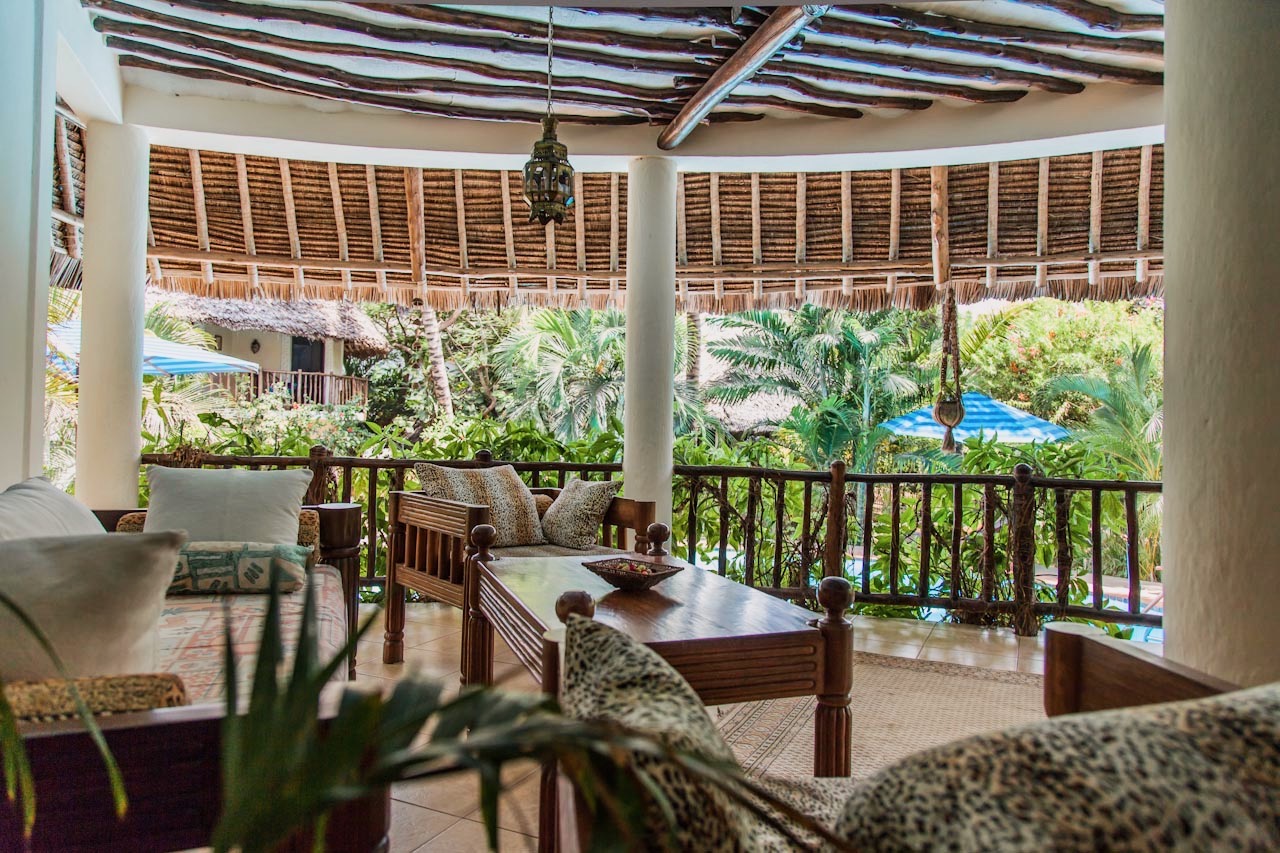
- Humidity: cross-ventilation, high ceilings and shaded verandas keep interiors comfortable without constant air conditioning.
- Salt exposure and corrosion: marine-grade stainless steel, powder-coated aluminium and protected fittings outlast standard hardware by years.
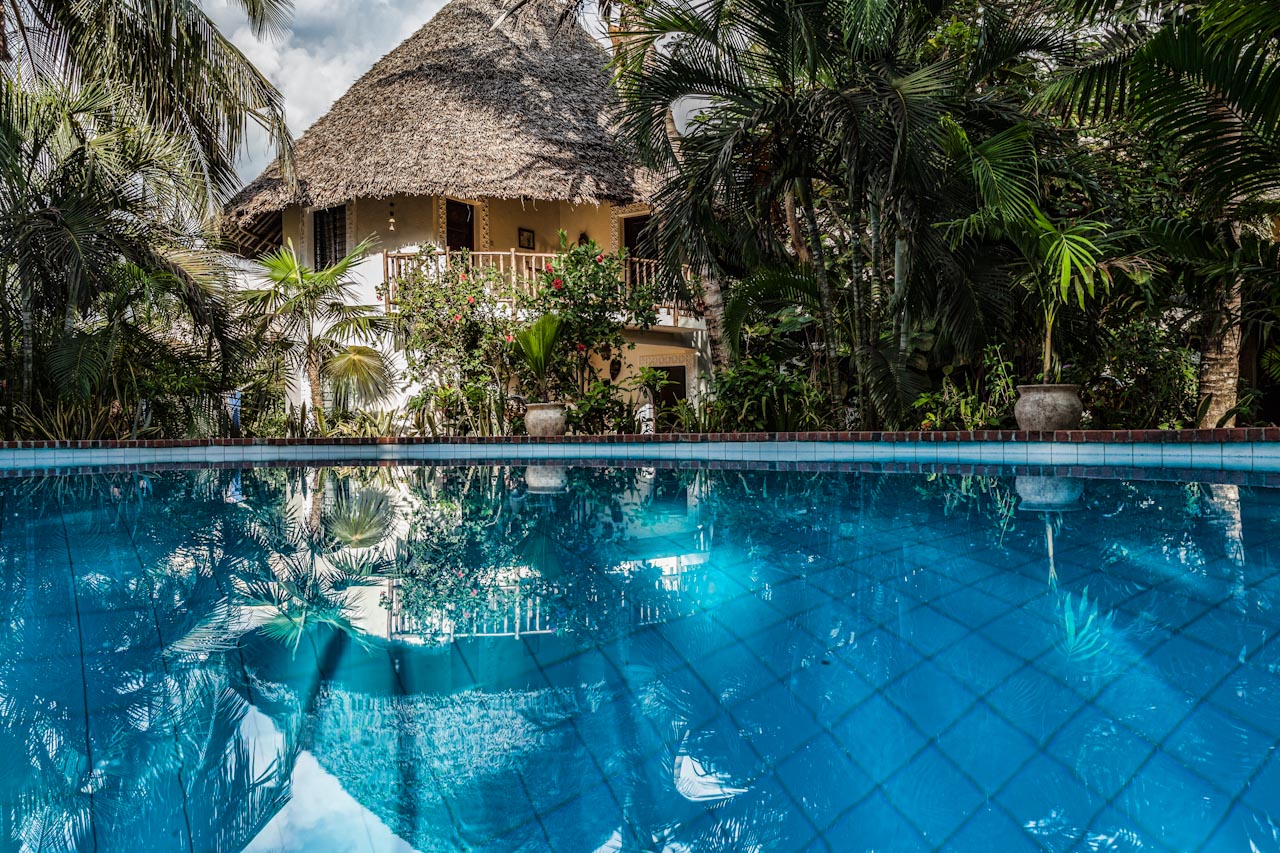
- Ventilation: ventilated roof spaces and traditional makuti thatch or insulated roofs manage heat build-up.
- Drainage: the long and short rains arrive with force — site grading, gutters and soakaways must be designed for cloudbursts, not drizzle.
- Tropical landscaping: established palms and native planting provide shade and privacy far faster than imported garden concepts.
- Outdoor living: terraces, verandas and pool areas are the centre of coastal life — plan them as living space, not decoration.
- Long-term maintenance: a house near the ocean needs a maintenance rhythm; plan for it from the start.
Do You Need to Visit Kenya During Construction?
No — a well-run remote build does not require your physical presence. That said, a visit at the right moment can be valuable: when choosing the plot, to sign off the final design, or at handover. Some clients combine a visit with a holiday and meet the whole team in person. What matters is that the project does not depend on your presence: decisions, approvals and payments should all work remotely, with visits as a bonus rather than a necessity. If a contractor tells you that you must be on site regularly for the build to go well, treat that as a signal about their process, not about Kenya.
Common Mistakes When Building Remotely
Most remote-building problems are avoidable. This checklist covers the mistakes we see most often:
- Buying land before verifying the title at the Land Registry
- Choosing a contractor on price alone, without references or registration checks
- Starting construction without a written contract and a priced bill of quantities
- Paying ahead of progress — money sent before work is completed and verified
- No independent supervision: relying on the contractor to check their own work
- Vague specifications that leave materials and finishes open to interpretation
- Approving changes verbally instead of in writing
- No contingency for unforeseen costs
- Ignoring climate: designs copied from Europe that fight the coastal climate instead of using it
- No plan for who looks after the property once it is finished
Managing Your Property After Construction
A finished house in Kenya needs looking after — especially if you only use it part of the year. Plan this before handover, not after.
- Maintenance: a local caretaker or property manager keeps the house, garden and pool in condition and catches small problems early.
- Security: staff, alarm systems and neighbourhood networks all play a role, depending on the location.
- Utilities and staff: electricity, water, internet and salaries need reliable local administration.
- Holiday-home use: if you plan to rent the villa when you are away, management, listings and guest care can be handled locally — see our guide to holiday homes in Kenya.
Building Your Home in Kenya With Confidence
Building a house in Kenya from abroad is not a leap of faith — it is a project like any other, decided by preparation, the right partners and clear processes. Choose the plot carefully, verify everything in writing, work with registered professionals, insist on structured reporting, and keep payments tied to verified progress. Do that, and distance stops being a risk and becomes merely a detail. Twenty years of building on the Kenyan coast have taught us that the clients who sleep best are not the ones who visit most often — they are the ones with the best process.
Consultation
Planning to Build a Home in Kenya?
Building from abroad requires careful planning and reliable local coordination. Explore how Palm Dream Homes can support your construction project in Kenya — from the first sketch to the key handover.
- ✓German-speaking team on site in Kenya
- ✓Transparent budgets and milestone-based payments
- ✓Regular photo and video reports, wherever you live
- ✓Support from land search to key handover
Frequently asked questions
Can foreigners build a house in Kenya?
+
Yes. Foreign nationals can legally build in Kenya. Land is typically held as leasehold of up to 99 years under Article 65 of the Kenyan Constitution, and the purchase and building process is well established. The key steps — title verification, a written contract, county building approvals — are the same for Kenyans and foreigners.
Can I build in Kenya while living in Germany?
+
Yes. Many of our clients manage their entire build from Germany, Austria or Switzerland. With a reliable local team, a written contract, milestone-based payments and structured photo and video reporting, your physical presence is not required — though a visit for the plot choice or handover can be worthwhile.
How do I supervise construction remotely?
+
Through structured reporting rather than ad-hoc messages: dated progress photos, regular video walkthroughs, scheduled written reports, budget tracking against the bill of quantities, written approvals for changes, and independent stage inspections by an architect or engineer who reports to you.
How do I find a reliable contractor in Kenya?
+
Check registration with the National Construction Authority (NCA), ask for completed projects and client references — ideally from clients who built from abroad — insist on an itemised quotation, and agree communication expectations in writing before signing. Independent supervision by your own architect or construction manager adds a second layer of security.
What permits are needed to build a house in Kenya?
+
Building plans must be approved by the county government before construction starts. Depending on project size and location, an environmental impact assessment through the National Environment Management Authority (NEMA) may also be required. Your architect typically manages the submission process.
How are construction payments managed?
+
Through a written contract with milestone-based payments: each payment is tied to a defined construction stage and released after the work is verified — by photos, reports or an independent inspection. Change orders should be priced and approved in writing before execution. Have the contract reviewed by a Kenyan advocate.
Do I need to visit Kenya during construction?
+
No. A well-structured remote build works entirely from abroad. Visits are optional and most valuable when choosing the plot, signing off the design, or at handover — but the process should never depend on your presence.
Is Diani Beach suitable for building a holiday home?
+
Yes. Diani combines a white-sand beach with an international community, supermarkets, medical facilities and an airstrip with daily Nairobi flights. Beachfront plots are scarce and expensive; the rows behind offer more space for the money. Our Diani area snapshot covers neighbourhoods, costs and daily life in detail.
Related topics
- →Building a house in Kenya: step-by-step construction guide
- →How long does it take to build a house in Kenya?
- →How much does it cost to build a house in Kenya?
- →Can foreigners buy property in Kenya?
- →Why German construction quality matters in Kenya
- →Holiday homes in Kenya: buying, building or renting
- →Living in Diani Beach: area snapshot
- →Our construction services
- →Completed projects
- →About Palm Dream Homes
- →Contact us
About the author
Palm Dream Homes is a German-Kenyan construction and property company with decades of experience planning, managing and supervising building projects in Kenya. We combine German quality standards with deep local knowledge — on site every day, not in an office abroad.
Related guides
Construction
What Does a House in Kenya Cost? A Realistic 2026 Overview
15 September 2025 · 7 min read
What does a house in Kenya really cost in 2026? Honest per-square-metre benchmarks, typical budgets and what truly matters in planning and supervision.
Read full guideConstruction
Why German Construction Quality Makes a Difference in Kenya
10 October 2025 · 5 min read
Why the final 20 % of a Kenyan build defines its quality and how German standards combined with local on-site experience deliver a different result.
Read full guideConstruction
Building a House in Kenya: From Planning to Completion
1 November 2026 · 14 min read
The complete residential construction process in Kenya — from the first project brief and plot assessment through design, permits, construction and inspections to handover.
Read full guide