Construction
How Long Does It Take to Build a House in Kenya?
The honest answer to how long it takes to build a house in Kenya is: it depends — but not on anything mysterious. Project duration is shaped by a knowable set of factors: the size and complexity of the home, the readiness of the land, the design, approval requirements, contractor capacity, weather and the availability of materials. Just as important is what you count. The full project timeline runs from the first planning conversation to the signed handover — and it is always longer than the months a contractor physically spends on site. This guide breaks the timeline into its real components: planning and design, regulatory approvals, procurement, construction, and finishing and handover. It explains what influences each stage, where delays actually come from, and how to plan around uncertainty — whether you follow your project on site or from abroad.
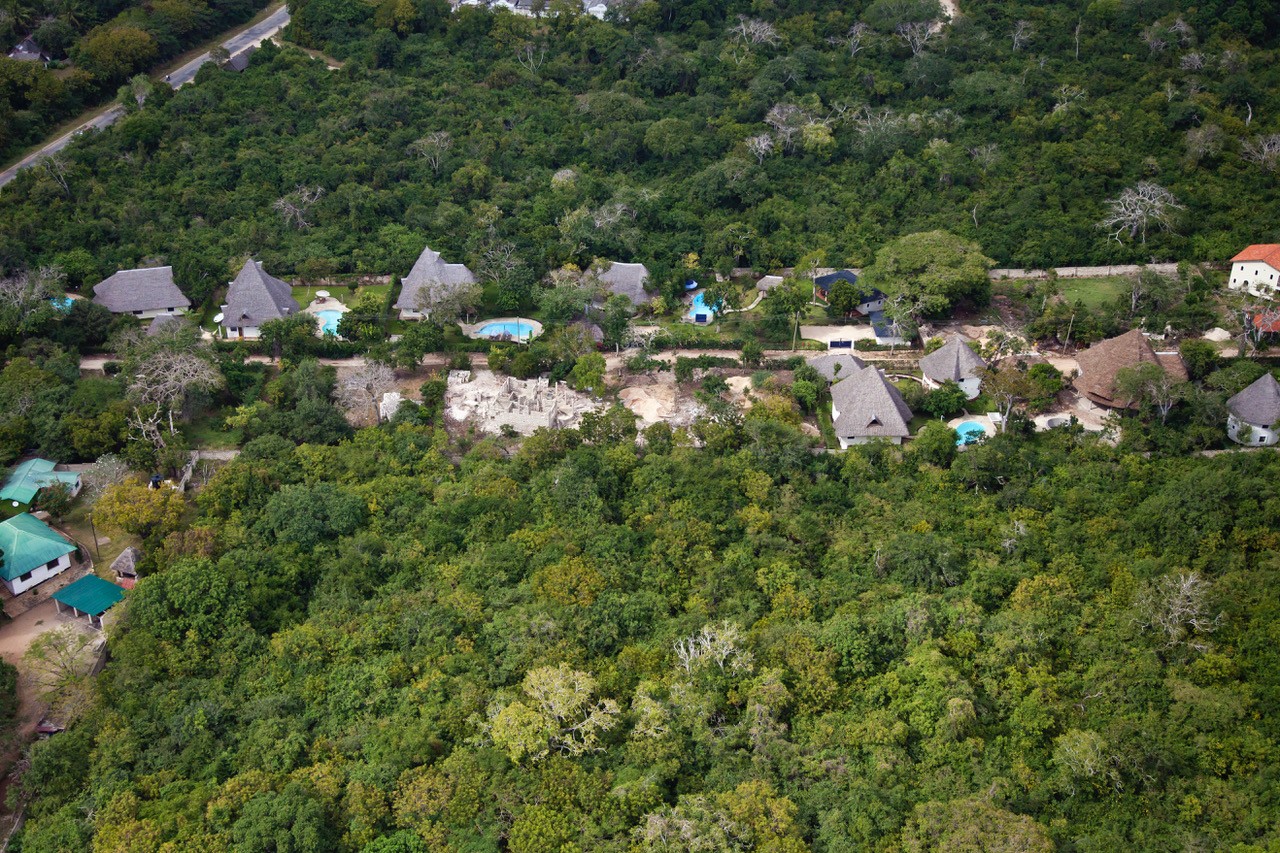
Quick Answer: How Long Does House Construction Take in Kenya?
There is no verified universal figure, and anyone who quotes one without knowing your project is guessing. What can be said reliably: the physical construction of a private home is only part of the total timeline. Before the first foundation is dug, weeks or months pass in planning, design, approvals and contractor selection; after the structure stands, finishing, external works, testing and defect correction still lie ahead. Homeowners who plan with the full timeline — rather than the construction phase alone — set realistic move-in expectations and make better decisions at every stage. The sections below explain each part of the schedule and the factors that stretch or compress it.
Understanding the Full House-Building Timeline
Most homeowners underestimate project duration because they count only the time contractors spend on site. In reality, a residential project moves through six distinct stages, each with its own timing logic:
Building a house in Kenya: the step-by-step construction guide
| Project stage | Main activities | Timing considerations |
|---|---|---|
| Planning | Brief, site evaluation, concept | Decision-making speed and site information |
| Design | Architectural and engineering work | Design complexity and number of revisions |
| Approvals | Relevant regulatory permissions | Jurisdiction and completeness of the application |
| Procurement | Contractor selection and materials | Availability and lead times |
| Construction | Foundations, structure, services and finishes | Project scale and site conditions |
| Handover | Testing, inspections and defect correction | Outstanding work and documentation |
How Long Does Planning and Architectural Design Take?
Planning and design are the stages homeowners most often rush — and the stages where rushing costs the most time later. A thorough planning phase covers the project brief, site assessment, concept design, architectural revisions, engineering coordination, detailed specifications and cost planning. Each revision round takes days to weeks depending on how quickly decisions are made; clients who live abroad should factor in time zones and feedback cycles. The temptation to start building with an unfinished design is strong, especially when a contractor is available. Resist it: incomplete planning does not save time, it moves the decision-making into the construction phase, where every change costs money and weeks.
How Long Do Building Permits Take in Kenya?
Approval timelines vary by county, by project and by the completeness of the application — there is no single processing time that applies throughout Kenya. Typically, architectural and structural plans require county development permission, and the project is registered with the National Construction Authority (NCA) before work begins; some projects additionally require environmental approval through the National Environment Management Authority (NEMA). It is worth distinguishing three things that are often confused: legal processing deadlines, published service targets, and actual observed processing times — the third is what your project will experience, and it depends heavily on the quality of the submission. Incomplete applications, missing documents or project-specific queries can pause an application indefinitely. An architect who knows the local county's process, and a complete first submission, are the most effective ways to keep this stage short.
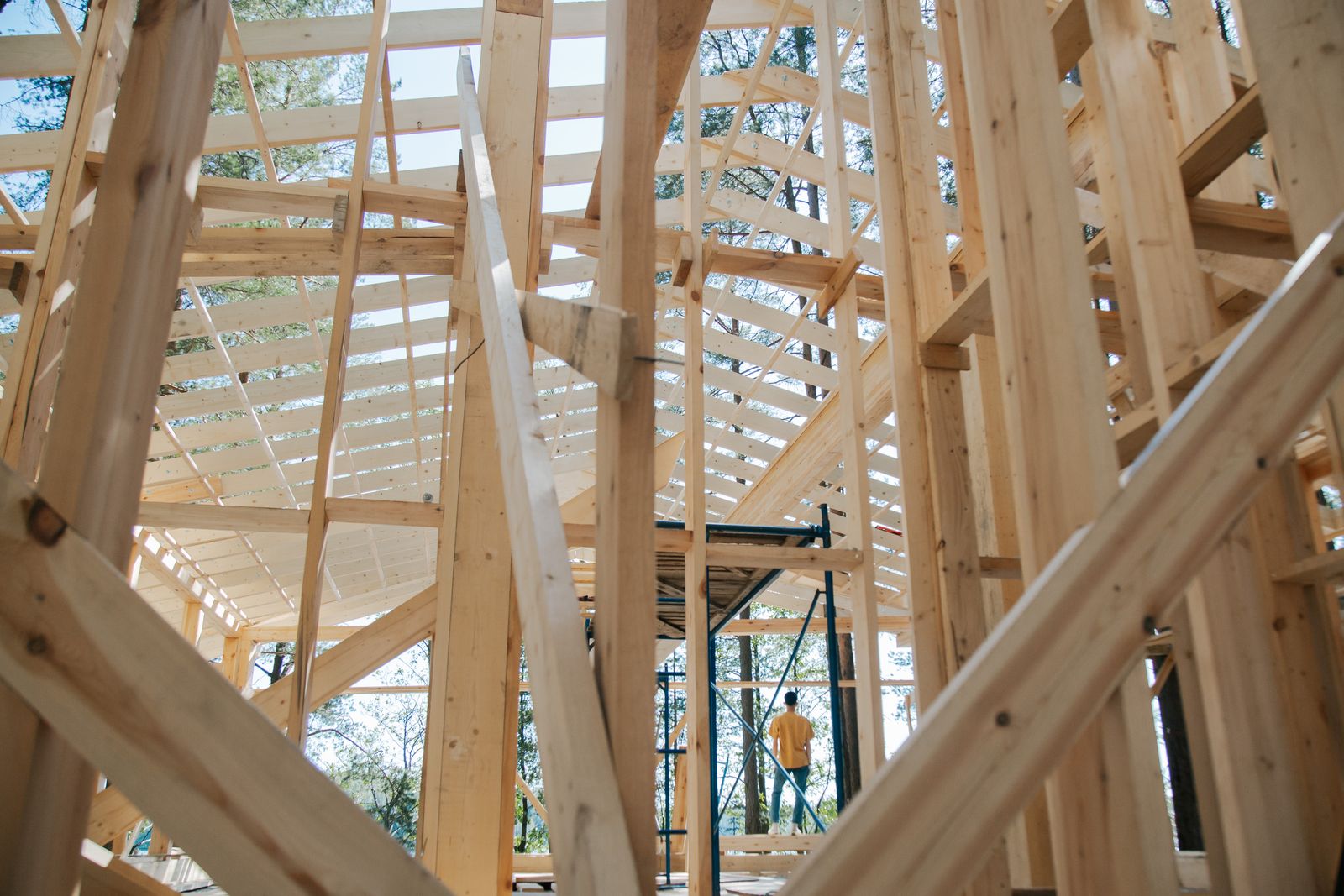
How Long Does the Actual Construction Take?
Physical construction follows a sequence of stages, but they do not simply add up — some overlap, and others are strictly dependent on previous work:
- 1. Site preparation: clearing, setting out, access.
- 2. Excavation and foundations: dependent on soil conditions and weather.
- 3. Structural construction: columns, beams, walls and slabs — the backbone of the schedule.
- 4. Roofing: can only start once the structure allows; weather-sensitive.
- 5. Plumbing and electrical installations: partly parallel to structural work, coordinated before finishes.
- 6. Windows and doors: often dependent on manufacturing lead times.
- 7. Interior finishes: plaster, flooring, tiling, kitchens, bathrooms, paint — detail-intensive and hard to accelerate.
- 8. External works: driveway, drainage, walls, garden and pool — often parallel to late interior work.
- 9. Testing and handover: system tests, inspections and defect correction.
„A realistic construction programme maps dependencies and overlaps. Simply adding the duration of every stage together produces a number that is wrong in both directions.“
Does the Size and Design of the House Affect the Timeline?
Yes — but through complexity more than through floor area alone. A compact single-storey home with standard finishes is the fastest category to build. Larger family residences add structure, services and finishing area. Multi-storey houses introduce additional structural stages and scaffolding. Custom-designed villas with bespoke joinery, imported fittings or specialist installations extend the schedule through procurement lead times and detailed finishing work. Swimming pools and extensive landscaping add a further work stream that is often underestimated. What matters for your schedule is not the property type label but the specific design decisions: every bespoke element, every non-standard material and every specialist trade adds coordination and lead time.

Does Building in Diani Beach Take Longer?
Not automatically — but coastal construction has its own timing logic. Seasonal rainfall can interrupt earthworks, concreting and roofing; experienced contractors plan the programme around the long rains rather than hoping to beat them. Ground conditions on the coast range from coral rock to sandy soils, each with implications for foundations and drainage. Materials must suit the climate: marine-grade fittings and appropriate finishes may have longer procurement routes than standard hardware. Humidity affects drying and curing times for plaster, screed and paint. And transport and procurement work differently on the coast than in Nairobi — some materials are plentiful locally, others travel far. In practice, the quality of planning and the characteristics of the specific plot influence the schedule more than the general location. A well-prepared coastal project can run smoother than a poorly prepared inland one.
Common Reasons Construction Projects Get Delayed
Delays rarely come out of nowhere. The causes we see most often — and how to prevent them:
- Incomplete architectural plans: work stops when drawings don't answer on-site questions. Prevention: finish the design before construction.
- Approval delays: construction cannot legally start without permissions. Prevention: complete first submissions, early applications.
- Unforeseen ground conditions: rock, soft soil or water where nobody expected it. Prevention: soil assessment before design is finalised.
- Late material deliveries: especially imported or bespoke items. Prevention: identify long-lead materials early and order ahead.
- Design changes mid-construction: every change ripples through structure, services and budget. Prevention: decide on paper, formal change control on site.
- Contractor scheduling problems: overstretched contractors juggle sites. Prevention: verify capacity and current workload before signing.
- Payment disputes: work slows when payments are unclear or delayed. Prevention: milestone-based payments, verified and released on time.
- Poor communication: decisions wait while questions travel. Prevention: agreed channels, response times and decision deadlines.
- Weather interruptions: heavy rain stops earthworks and concreting. Prevention: seasonal planning and schedule buffers.
- Failed inspections or defective work: redoing concealed work is the most expensive delay of all. Prevention: inspect before covering, not after.
How Can You Reduce Construction Delays?
No project is immune to uncertainty — but most avoidable delay is exactly that: avoidable. A practical prevention checklist:
- Finalise the design before major construction begins.
- Obtain all required approvals before site work starts.
- Prepare a detailed scope of work and a realistic budget.
- Verify the contractor's capacity, registration and current workload.
- Establish a realistic construction programme with milestone dates.
- Identify long-lead materials early and order them ahead of need.
- Agree a formal change-control process: variations in writing, priced before execution.
- Schedule inspections at the points where work is about to be concealed.
- Track progress against milestones, not against calendar hope.
- Maintain clear communication with agreed decision deadlines.
„Good project management reduces avoidable delays. It cannot eliminate all uncertainty — and any contractor who promises that is telling you what you want to hear.“
How to Monitor the Timeline While Living Abroad
Distance makes schedule discipline more important, not less. A well-run remote project keeps you informed through structured reporting rather than ad-hoc messages: regular progress reports against the agreed programme, milestone tracking, dated photo and video walkthroughs, updated construction schedules when the programme shifts, written approvals for any change, independent stage inspections, and — most valuable of all — early warnings. A contractor who tells you about a delay the week it happens gives you options; one who mentions it at the original completion date does not. Our dedicated guide covers remote project management in detail.

What Should a Construction Contract Say About Time?
The contract is where the schedule becomes enforceable. A solid construction contract addresses time explicitly: the start date and the conditions that trigger it, the agreed completion period, project milestones, extension-of-time procedures for legitimate delays, variation procedures, delay notification obligations, the responsibilities of each party, completion and handover criteria, and remedies for delay where appropriate. What belongs in your contract depends on your project and should be reviewed by a qualified Kenyan advocate before signing — standard templates rarely fit individual projects, and the details of time clauses are exactly where professional legal review earns its fee.
Planning Your House Construction in Kenya
Realistic scheduling begins long before construction starts. The projects that finish closest to their planned dates share the same foundations: a coordinated design completed before groundbreaking, verified approvals, a transparent budget, professional supervision and honest contingency planning. Palm Dream Homes plans, manages and supervises residential construction projects in Kenya with exactly this approach — structured programmes, milestone-based progress tracking and regular photo and video reporting, on site and for clients abroad. If you are planning to build, talk to us early: the schedule is shaped in the first conversations, not on the last day of construction.
Consultation
Planning to Build a House in Kenya?
A realistic construction schedule starts with good planning. Explore how Palm Dream Homes can support your residential project — or contact our team to discuss your plans and the steps involved.
- ✓Structured construction programmes with milestone tracking
- ✓Transparent budgets and milestone-based payments
- ✓Regular photo and video reports, wherever you live
- ✓Support from planning to documented handover
Frequently asked questions
How many months does it take to build a house in Kenya?
+
There is no verified universal figure. The total timeline depends on the size and complexity of the home, the readiness of the land, design, approval requirements, contractor capacity, weather and material availability. Count the full project — planning, design, approvals and handover included — not just the months of physical construction.
Can a house be built in Kenya in six months?
+
Physical construction alone can be fast for a small, simple, well-prepared project — but six months for the complete journey from first sketch to handover is ambitious for most private homes. Planning, design, approvals and procurement take time before site work begins, and finishing and handover take time after the structure stands. Be cautious of anyone who promises a fixed short duration before seeing your design and plot.
What takes the longest when building a house?
+
Typically the structural and finishing stages dominate the on-site schedule, while approvals and procurement dominate the pre-construction phase. The single biggest variable is usually not any stage itself but the gaps between them: waiting for decisions, materials, payments or permissions.
How long do building approvals take in Kenya?
+
It varies by county, project and application quality — no single processing time applies throughout Kenya. Legal deadlines and published service targets exist, but actual processing times depend heavily on the completeness of the submission. A complete first application prepared by an architect familiar with the local county process is the most reliable way to keep this stage short.
Does the rainy season affect construction in Kenya?
+
Yes. Heavy rain can interrupt earthworks, excavation, concreting and roofing, and high humidity extends drying times for plaster, screed and paint. Experienced contractors plan the programme around the long rains rather than hoping to beat them — scheduling weather-sensitive stages for drier months where possible.
How long does it take to build a villa in Diani Beach?
+
Coastal construction is not automatically slower than inland building, but it has its own timing logic: seasonal rainfall, ground conditions ranging from coral rock to sand, humidity-related drying times, and different material procurement routes. The quality of planning and the characteristics of the specific plot influence the schedule more than the location itself.
What causes construction delays in Kenya?
+
The most common causes are incomplete plans, approval delays, unforeseen ground conditions, late material deliveries, mid-construction design changes, contractor scheduling problems, payment disputes, poor communication, weather interruptions and defective work that must be redone. Most are preventable with thorough preparation, a written contract and structured supervision.
Can I monitor my construction timeline from abroad?
+
Yes. A well-run remote project keeps you informed through regular progress reports against the agreed programme, milestone tracking, dated photo and video walkthroughs, updated schedules, written change approvals and independent stage inspections. Early warning of delays matters more than frequent reassurance.
Related topics
- →Building a house in Kenya: step-by-step construction guide
- →Building a house in Kenya while living abroad
- →How much does it cost to build a house in Kenya?
- →Why German construction quality matters in Kenya
- →Living in Diani Beach: area snapshot
- →Our construction services
- →Completed projects
- →Contact our team
About the author
Palm Dream Homes is a German-Kenyan construction and property company with decades of experience planning, managing and supervising building projects in Kenya. We combine German quality standards with deep local knowledge — on site every day, not in an office abroad.
Related guides
Construction
What Does a House in Kenya Cost? A Realistic 2026 Overview
15 September 2025 · 7 min read
What does a house in Kenya really cost in 2026? Honest per-square-metre benchmarks, typical budgets and what truly matters in planning and supervision.
Read full guideConstruction
Why German Construction Quality Makes a Difference in Kenya
10 October 2025 · 5 min read
Why the final 20 % of a Kenyan build defines its quality and how German standards combined with local on-site experience deliver a different result.
Read full guideConstruction
Building a House in Kenya While Living Abroad: A Complete Guide
1 November 2026 · 11 min read
How to plan, build and supervise a home in Kenya from overseas — from choosing the right plot and contractor to remote monitoring, payments and handover.
Read full guide