Construction
Hidden Costs of Building a House in Kenya: 12 Expenses Often Overlooked
A construction quotation usually covers a defined scope of work — often the building itself. Professional fees, permits, site preparation, utility connections, external works and a contingency may sit outside it. That does not make the quotation misleading: many exclusions are legitimate, provided they are clearly stated. The problem arises when homeowners compare a quotation with their total budget as if they were the same thing. This guide explains twelve expenses that are frequently overlooked, excluded or underestimated on residential projects in Kenya, and shows how to build a complete budget and compare quotations properly. For typical overall budgets, see our separate guide to construction costs; this article focuses on why the final figure can differ from the first quote.
Quick Answer: How Do You Avoid Unexpected Construction Costs?
The most important way to avoid unexpected construction costs is to compare quotations against the same detailed scope of work and prepare a complete project budget before committing to construction. A low quotation does not necessarily mean a low total project cost. What matters is knowing exactly what is included, what is excluded and which costs remain uncertain — and having a plan for each.
1. Land Surveys and Soil Investigations
A plot that looks suitable may still need technical assessment before it can be designed for. Depending on the site, this can include a boundary survey to confirm beacons and plot limits, a topographical survey of levels and features, and a geotechnical investigation of soil-bearing conditions. The results directly influence foundation design — and therefore cost. Ground on the Kenyan coast, for example, can range from coral rock to deep sand within a short distance. Not every plot needs identical investigations, but skipping them can move the cost of unforeseen ground conditions from the design stage to the construction stage, where it is usually more expensive.
2. Architectural and Engineering Fees
Professional fees are often separate from the contractor's quotation. They can include architectural design, structural engineering, quantity surveying, other specialist design (such as electrical or mechanical services), design revisions, and site inspections or professional supervision during construction. Ask early which professionals your project needs, what each will deliver, and whether their fees cover design only or continue through construction. Repeated design changes after drawings are complete typically add fees as well as delay.
3. Building Permits and Regulatory Approvals
Approvals depend on the location and the project. They typically include county planning and building approval, applicable National Construction Authority requirements (including project registration and levies where they apply), and environmental approval from NEMA where the project requires it. Some sites need further project-specific permissions. Fees and procedures vary by county and project, so we do not quote universal permit charges — confirm the current requirements with the relevant county and authorities, or through your architect.
4. Site Clearing, Excavation and Ground Preparation
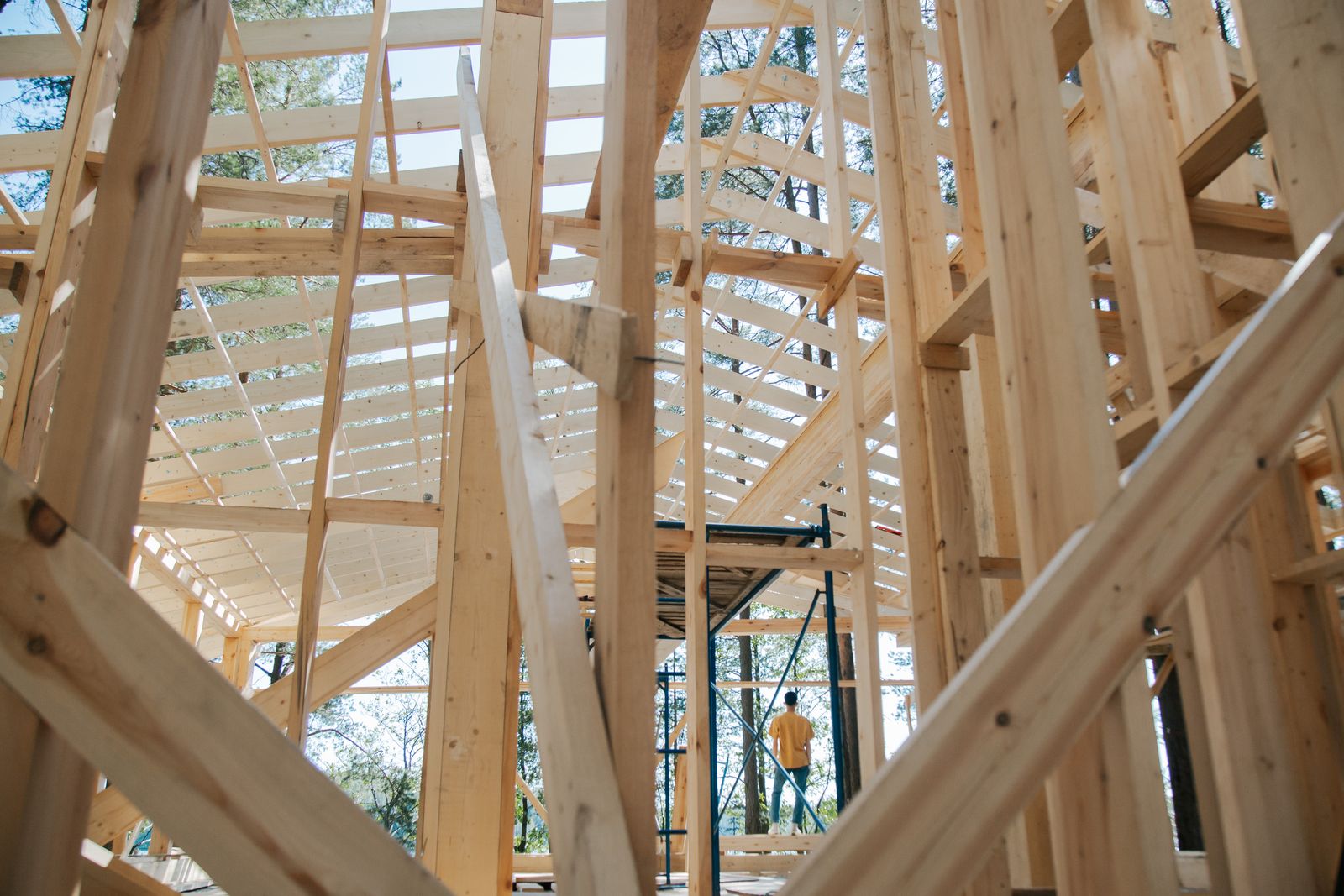
Before foundations begin, the site may need vegetation removal (where permitted), excavation, levelling, rock removal, soil stabilisation, drainage works and temporary access for construction traffic. A sloping plot, rock close to the surface, poor soil or difficult access can each change the cost substantially. Ask whether site preparation is included in the quotation and, if it is priced as a provisional sum, how the final amount will be measured.
5. Water Supply and Storage
Water infrastructure is easy to forget when focusing on the house itself. It may include a mains connection where available, storage tanks, pumps and pressure systems, filtration, water quality testing and — where mains supply is unreliable or absent — alternative arrangements such as a borehole or water delivery. Verify utility availability before buying land or finalising the budget; the answer can change the cost of the project.
6. Electricity Connections and Backup Systems
Costs can include the grid connection, internal electrical infrastructure and, depending on the site and your requirements, solar power, battery storage or a backup generator, plus installation and commissioning. Backup systems are optional or site-dependent rather than universal requirements, but if you plan to rely on them, include them in the budget from the start.
7. Septic, Wastewater and Drainage Systems
Many properties outside sewered areas need their own wastewater solution, such as a septic system or another approved treatment method, plus drainage infrastructure, rainwater management and access for future maintenance. The correct solution depends on soil conditions, the water table, applicable standards and approvals — so it cannot be priced reliably until the site is understood.
8. Windows, Doors and Finishing Specifications
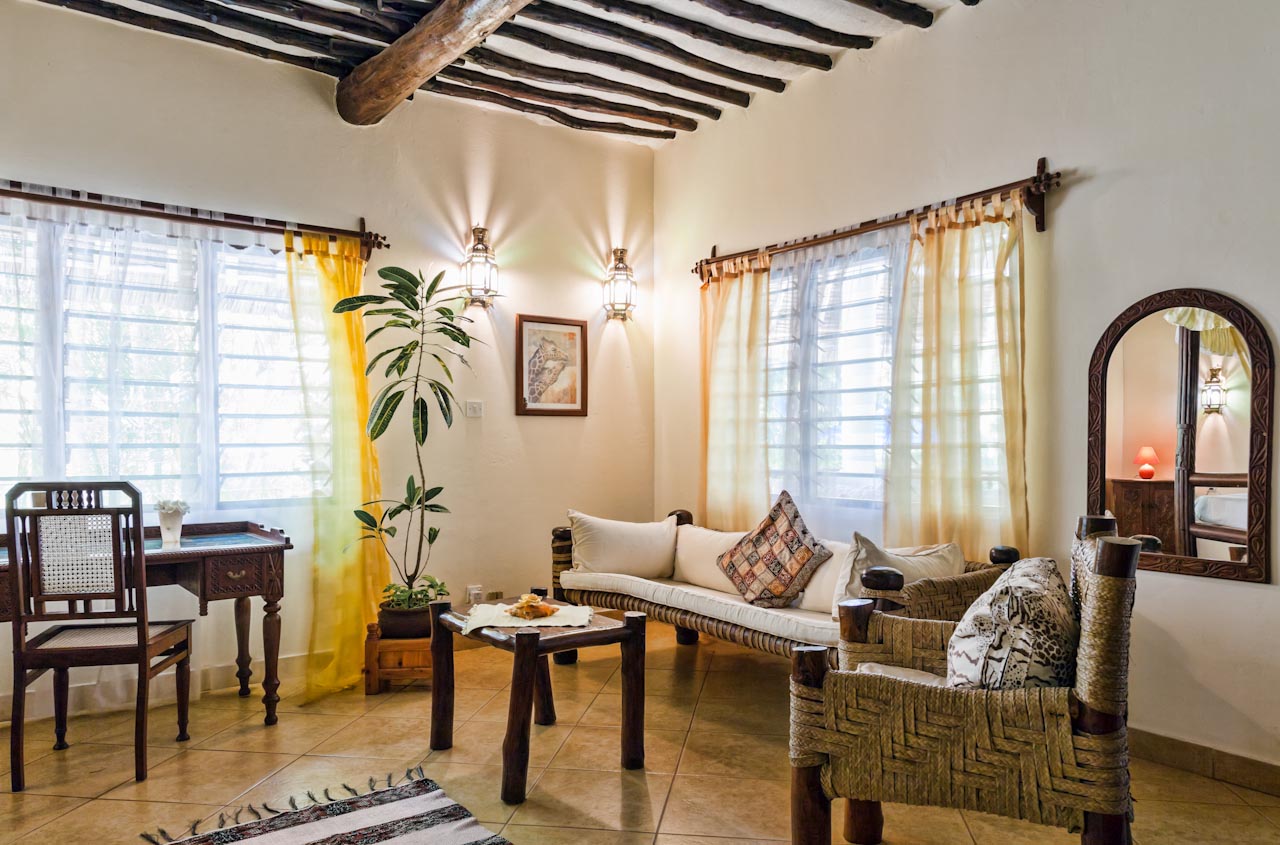
Finishes are where quotations differ most. Window systems, door materials, flooring, bathrooms, kitchens, lighting, hardware and exterior finishes can vary enormously in price for what looks like the same house on paper. Vague descriptions such as "high-quality finishes" make it impossible to compare quotations or control cost. A detailed specification — product type, material, size and, ideally, brand or equivalent — is the only reliable basis for pricing.
Building a villa on Kenya's coast: climate, materials & design
9. Boundary Walls, Gates and Security
Boundary walls, fencing, entrance gates, exterior lighting, security systems and access controls are frequently outside the main building quotation. On larger plots, a boundary wall alone can be a significant item. Check whether these are included, and if not, budget for them separately.
10. Swimming Pools, Terraces and Landscaping
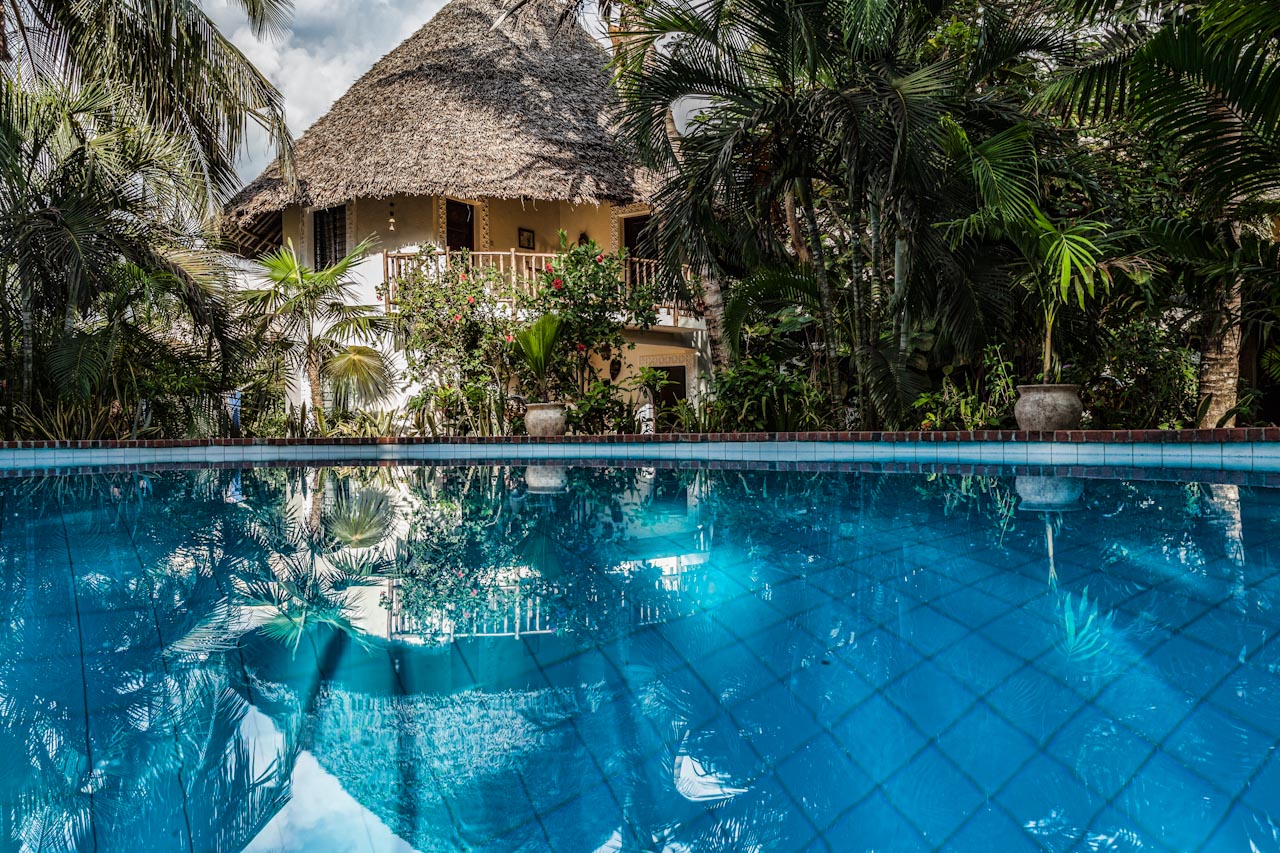
Pool construction and equipment, outdoor terraces, driveways, garden preparation, irrigation and outdoor lighting are often priced separately or treated as later phases. Even if they will be completed after the house, include them in the full project budget now — otherwise the property you can actually afford to finish may differ from the one you planned.
11. Material Price Changes and Currency Fluctuations
Prices can change between quotation and purchase. Imported finishes, supplier quotation validity periods, exchange-rate movements for owners paying from abroad, shipping and transport, and procurement delays can all affect cost. We make no predictions about future prices or exchange rates. What you can control is the contract: agree in writing whether the price is fixed, how long quotations remain valid, and how any price adjustments are calculated and approved.
12. Construction Delays, Variations and Contingencies
Design changes, unforeseen conditions, delays, extra supervision, rework and contract variations all add cost. A contingency allowance is a financial planning tool for genuine uncertainty — it is not a substitute for accurate design and budgeting. The right level depends on how complete the design is and how well the site is understood, so we do not quote a universal percentage; ask your quantity surveyor or architect to recommend one for your project.
What Should a Complete Construction Budget Include?
Use this checklist to build a full budget — and to ask every contractor the same questions, so you can see which items each quotation includes:
| Cost category | Questions to ask |
|---|---|
| Land and due diligence | Are surveys and legal checks included? |
| Professional fees | Are design and supervision included? |
| Approvals | Which fees and registrations apply? |
| Main construction | What is covered by the contractor's scope? |
| Utilities | Are connections and storage systems included? |
| Finishes | Are exact materials and specifications defined? |
| External works | Are walls, driveways and landscaping included? |
| Contingency | What allowance exists for uncertainty? |
| Handover | Are testing, documentation and defect correction covered? |
How to Compare Construction Quotations Properly
A fair comparison requires identical scopes. Review the bill of quantities where one exists, list every exclusion, check provisional sums and allowances, compare payment terms, confirm whether taxes and applicable charges are included, clarify who supplies which materials, and ask how variations will be priced.
| Item | Quotation A (lower headline price) | Quotation B (higher headline price) |
|---|---|---|
| Main building structure | Included | Included |
| Site clearing and excavation | Excluded | Included |
| Septic and drainage | Provisional sum | Included, specified |
| Tiles and sanitaryware | Low allowance | Specified products |
| Water tanks and pumps | Excluded | Included |
| Boundary wall and gate | Excluded | Included |
| Taxes and charges | Not stated | Stated |
Key terms
A bill of quantities itemises the materials and work required, with quantities, so contractors price the same thing. A provisional sum is an amount included for work that cannot yet be fully defined, to be adjusted once it is. An allowance (often called a PC or prime cost sum) is a budget for an item such as tiles or fittings that will be selected later — if you choose something more expensive, the cost rises.
„Once the exclusions, provisional sums and low allowances in a cheaper quotation are priced, it may no longer be the lower final cost.“
How to Reduce the Risk of Budget Overruns
Even careful planning cannot remove every risk — ground conditions, prices and timelines can still change. But each step above narrows the gap between the first quotation and the final cost.
- 1. Complete design work before requesting final quotations.
- 2. Obtain relevant site investigations.
- 3. Prepare detailed specifications.
- 4. Compare like-for-like quotations.
- 5. Review exclusions.
- 6. Establish a complete project budget.
- 7. Agree on written variation procedures.
- 8. Track committed and paid costs.
- 9. Verify progress before payments.
- 10. Maintain a realistic contingency.
Is it safe to build a house in Kenya from abroad? · Building a house in Kenya: from planning to completion
Planning a Complete Budget With Palm Dream Homes
Palm Dream Homes is a German-Kenyan construction and property company based in Diani Beach, with completed residential projects in Kenya. If you are planning a home or villa, we are happy to talk through your plans, what a complete budget for your project should cover, and which items to clarify before construction begins.
Consultation
Planning to Build a House in Kenya?
Understanding the full project budget is essential before construction begins. Explore Palm Dream Homes' construction services and discuss your requirements.
Frequently asked questions
What costs are often excluded from house-building quotations in Kenya?
+
Commonly excluded items include surveys and soil investigations, professional fees, permits and approvals, site preparation, utility connections and storage, wastewater systems, boundary walls and gates, pools and landscaping, and contingency. Always ask for a written list of exclusions.
Why do construction projects go over budget?
+
Typically because of incomplete design, vague specifications, unforeseen ground conditions, excluded items that were never budgeted, design changes during construction, price or currency movements and delays.
Are architectural fees included in construction costs?
+
Often not. Architectural, engineering and quantity surveying fees are frequently separate from the contractor's quotation. Check what each professional's fee covers.
Are permits included in contractor quotations?
+
Sometimes, sometimes not. Approvals and their fees vary by county and project, so confirm in writing who is responsible for obtaining and paying for each one.
How much contingency should I allow?
+
There is no universal percentage. The appropriate allowance depends on how complete the design is and how well the site is understood; ask your quantity surveyor or architect for a project-specific recommendation.
Are swimming pools usually included in villa construction quotes?
+
Not necessarily. Pools, terraces, driveways and landscaping are often priced separately or as later phases. Include them in your full budget either way.
How can I compare two construction quotations?
+
Price them against the same scope and specification, list each exclusion, check provisional sums and allowances, confirm taxes and payment terms, and add the cost of excluded items before comparing totals.
How do I avoid unexpected expenses when building from abroad?
+
Complete the design and site investigations first, insist on detailed specifications and written exclusions, agree a variation procedure, track committed and paid costs, and have progress verified independently before each payment.
About the author
Palm Dream Homes is a German-Kenyan construction and property company with decades of experience planning, managing and supervising building projects in Kenya. We combine German quality standards with deep local knowledge — on site every day, not in an office abroad.
Related guides
Construction
What Does a House in Kenya Cost? A Realistic 2026 Overview
15 September 2025 · 7 min read
What does a house in Kenya really cost in 2026? Honest per-square-metre benchmarks, typical budgets and what truly matters in planning and supervision.
Read full guideConstruction
Why German Construction Quality Makes a Difference in Kenya
10 October 2025 · 5 min read
Why the final 20 % of a Kenyan build defines its quality and how German standards combined with local on-site experience deliver a different result.
Read full guideConstruction
Building a House in Kenya While Living Abroad: A Complete Guide
1 November 2026 · 11 min read
How to plan, build and supervise a home in Kenya from overseas — from choosing the right plot and contractor to remote monitoring, payments and handover.
Read full guide