Construction
Building a Villa on Kenya's Coast: Climate, Materials & Design
Building a villa along Kenya's Indian Ocean coast — in Diani Beach, Galu, Watamu, Kilifi or elsewhere — takes more than placing a conventional house design in a tropical setting. A coastal home has to cope with year-round heat and humidity, salt-laden air, heavy seasonal rain, wind exposure, variable ground conditions and the steady pressure of moisture and corrosion. None of this makes coastal building unusually difficult, but it does change which decisions matter most. Good orientation, shading, ventilation, drainage and material choices make a villa more comfortable to live in, more durable and less costly to run and maintain. Poor ones tend to show up a few years later as rust stains, peeling paint, damp walls and failing hardware. This guide explains how the coastal climate influences design and material decisions, so you can ask the right questions before construction begins. It is general guidance: every plot is different, and no single material or construction method suits every coastal site.
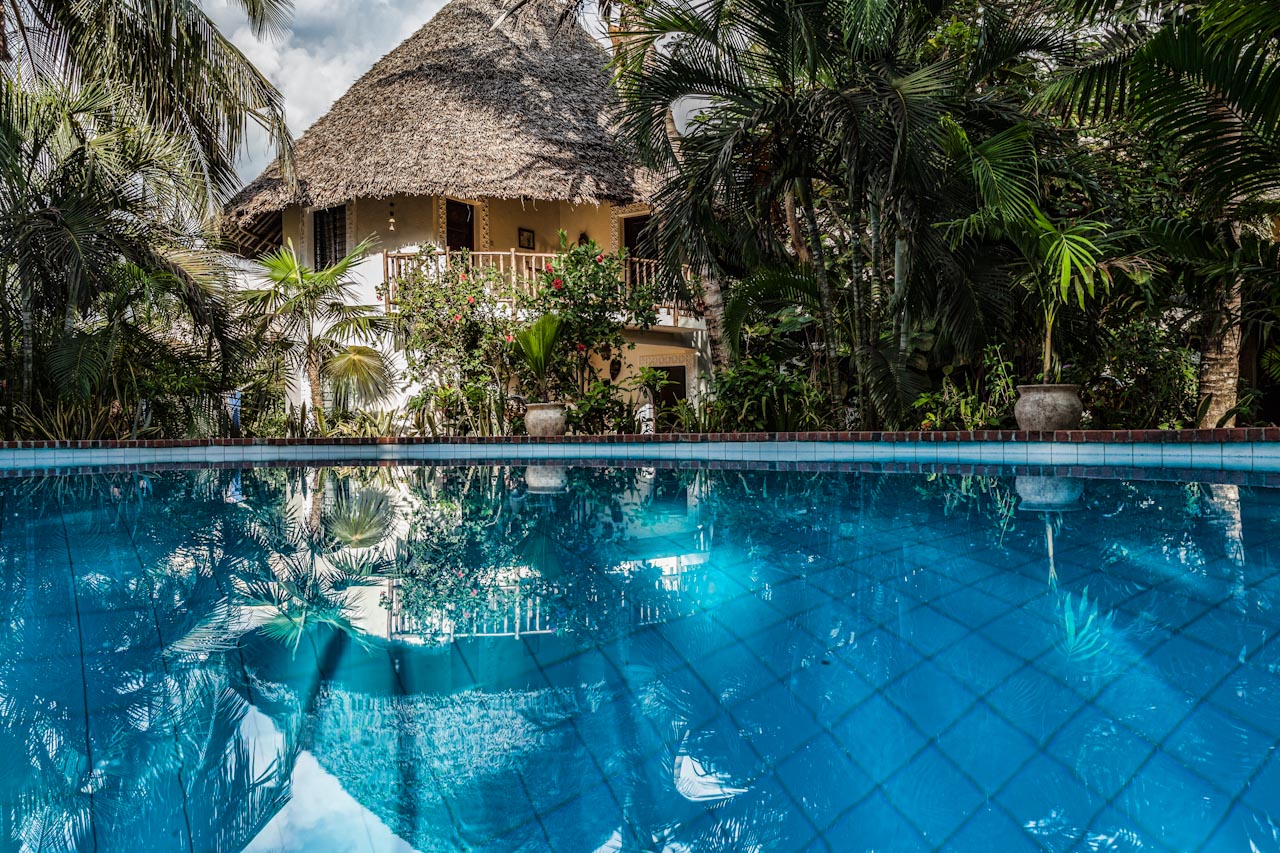
Quick Answer: What Matters Most When Building on Kenya's Coast?
Four things matter most: managing heat, managing water, resisting salt air, and planning for maintenance. Heat is handled through orientation, roof overhangs, shaded terraces, cross-ventilation and ventilated roof spaces, with air conditioning as a complement rather than the only answer. Water is handled through careful site grading, generous roof drainage, sound waterproofing and details that keep moisture from collecting in walls and floors. Salt air calls for corrosion-resistant metals, hardware and fixings, adequate protection of steel reinforcement, and finishes suited to coastal exposure. Maintenance needs to be designed in from the start: accessible equipment, replaceable components and realistic upkeep plans. Underpinning all of this is site-specific advice — a geotechnical assessment, structural engineering and local planning checks — because coastal plots vary considerably even within a few kilometres.
What Makes Building on Kenya's Coast Different?
Kenya's coast has a warm, humid tropical climate with two rainy seasons — the long rains, typically peaking around April to June, and the shorter rains towards the end of the year — as described by the Kenya Meteorological Department. These conditions, combined with proximity to the ocean, shape almost every building decision.
| Challenge | Main risk | Typical design response |
|---|---|---|
| Heat | Overheating, discomfort, high cooling demand | Orientation, overhangs, shaded terraces, ventilated roofs |
| Humidity | Mould, slow drying, condensation | Cross-ventilation, breathable finishes, dehumidification where needed |
| Salt air | Corrosion of metals and fittings | Suitable material grades, protective coatings, adequate concrete cover |
| Heavy rain | Water intrusion, damp, erosion | Site grading, generous roof drainage, waterproofing, flashing |
| Wind | Roof uplift, driven rain | Engineered roof fixings, protected openings, considered orientation |
| Variable ground | Settlement or unsuitable foundations | Geotechnical assessment and engineered foundation design |
Heat and humidity
High temperatures and humidity affect thermal comfort far more than temperature alone suggests, because humid air limits the body's ability to cool through evaporation. Shading, air movement and moisture management are therefore central design concerns, not afterthoughts. Humidity also lengthens drying times for plaster, screed and paint, and encourages mould where air is stagnant.
Salt-laden air
Sea spray and airborne salt settle on exposed surfaces and attract moisture. Over time this accelerates corrosion of unprotected or unsuitable metals — roof fixings, railings, window hardware, hinges, light fittings and outdoor electrical components — and can degrade some finishes. Exposure generally decreases with distance from the shoreline and with shelter from prevailing winds, but it rarely disappears entirely on the coast.
Rainfall and drainage
Rainfall on the coast often arrives in intense bursts. A plot must be graded so that water flows away from the building, roofs must shed water quickly, and gutters, downpipes and soakaways must be sized for heavy downpours. Persistent moisture against walls and foundations is one of the most common sources of long-term damage.
Wind exposure
Onshore winds bring welcome cooling but also load roofs, openings and lightweight structures. Building orientation, the size and position of openings, roof shape and how roofs are fixed down should reflect the actual wind conditions on the specific site, which vary between sheltered inland plots and exposed beachfront locations.
Ground conditions
It is a mistake to assume that every coastal plot has sandy soil or identical foundation needs. Ground on the Kenyan coast can range from coral rock close to the surface to deep sand or clay, sometimes within a single plot. Foundation design should follow a proper geotechnical assessment rather than assumptions.
Choosing the Right Plot for a Coastal Villa
Many design decisions are effectively made when you choose the land. Before committing to a plot, consider how each of the following will influence the house you can build and what it will cost to run:
- Distance from the shoreline — affects salt exposure, views, wind and regulatory restrictions.
- Site elevation and slope — influence drainage, flood exposure and foundation design.
- Flood and drainage exposure — check where water goes during heavy rain, ideally by visiting in the rainy season.
- Road access — matters for construction logistics as well as daily life.
- Orientation — determines sun exposure, prevailing breezes and shading strategy.
- Existing vegetation — mature trees provide shade but may have protected status or root systems close to foundations.
- Soil conditions — coral, sand and clay call for different foundation approaches.
- Water supply and electricity — availability and reliability vary by location.
- Planning and environmental restrictions — county planning rules and, where applicable, NEMA environmental requirements.
Beachfront and inland coastal plots
Beachfront plots and plots set back from the shoreline can present quite different design and regulatory considerations. Beachfront land typically faces greater salt and wind exposure and may be subject to additional environmental and planning controls along the shoreline; inland plots may be more sheltered but have their own drainage and access questions. We do not quote universal coastal setback distances, because the rules that apply depend on the specific location, the county and the applicable environmental regulations. Site-specific legal, planning and technical checks — including title verification and confirmation of what may be built — should come before any purchase.
Can foreigners buy property in Kenya? · Living in Diani Beach
Designing for Natural Ventilation and Comfort
Passive design reduces the heat a building absorbs and helps it release that heat. On the coast, the most effective strategies work together:
- Cross-ventilation — openings on opposite sides of rooms so air can flow through rather than stagnate.
- Building orientation — positioning the house to catch prevailing breezes and limit direct sun on the main walls.
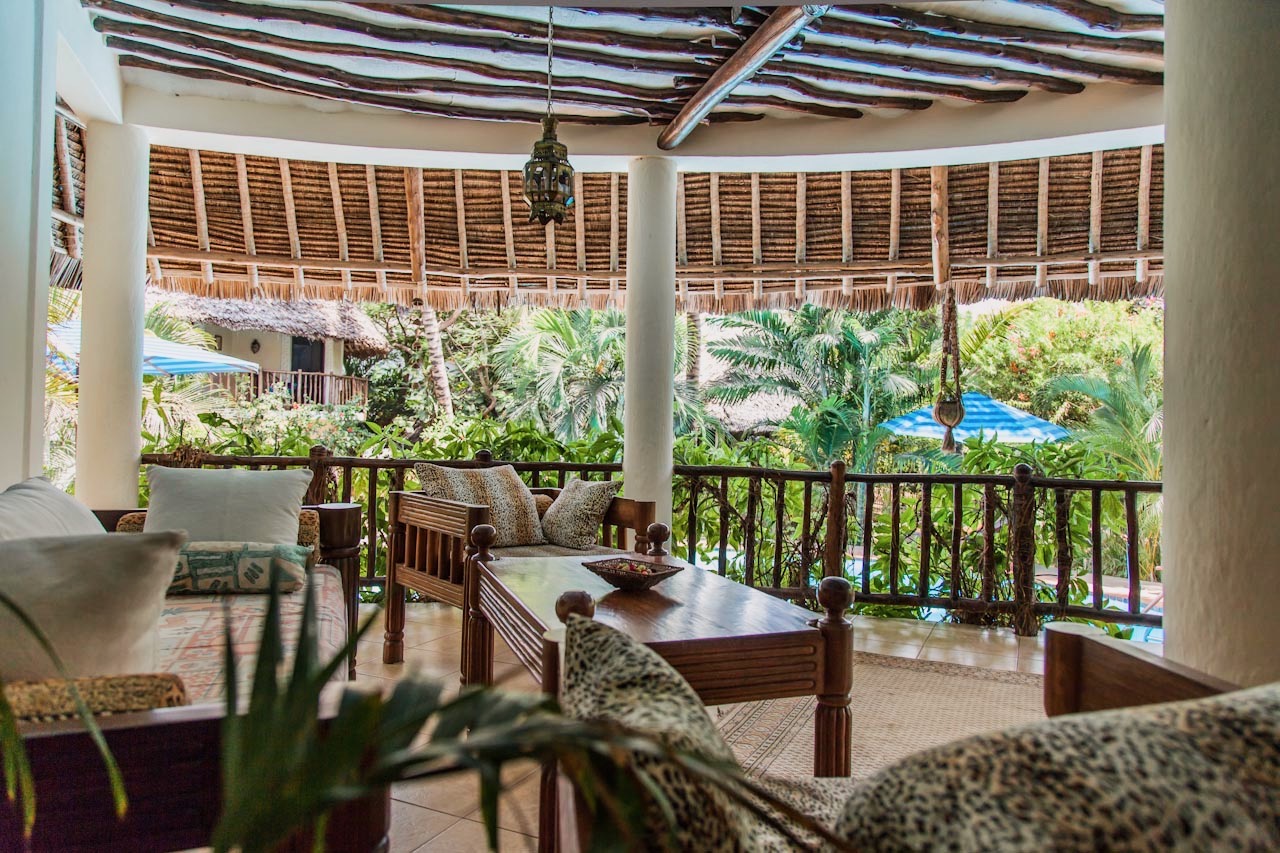
- Shaded terraces and verandas — creating usable outdoor space while shading the walls and openings behind them.
- Generous roof overhangs — protecting walls and windows from sun and driving rain.
- Window placement — sized and positioned for airflow, daylight and privacy rather than appearance alone.
- Ceiling heights — taller rooms allow warm air to rise above the occupied zone.
- Ventilated roof spaces — letting heat escape before it radiates into living spaces.
- Ceiling fans — an efficient way to increase air movement in occupied rooms.
- Appropriate glazing and solar shading — limiting heat gain through large glazed areas.
Passive cooling and air conditioning
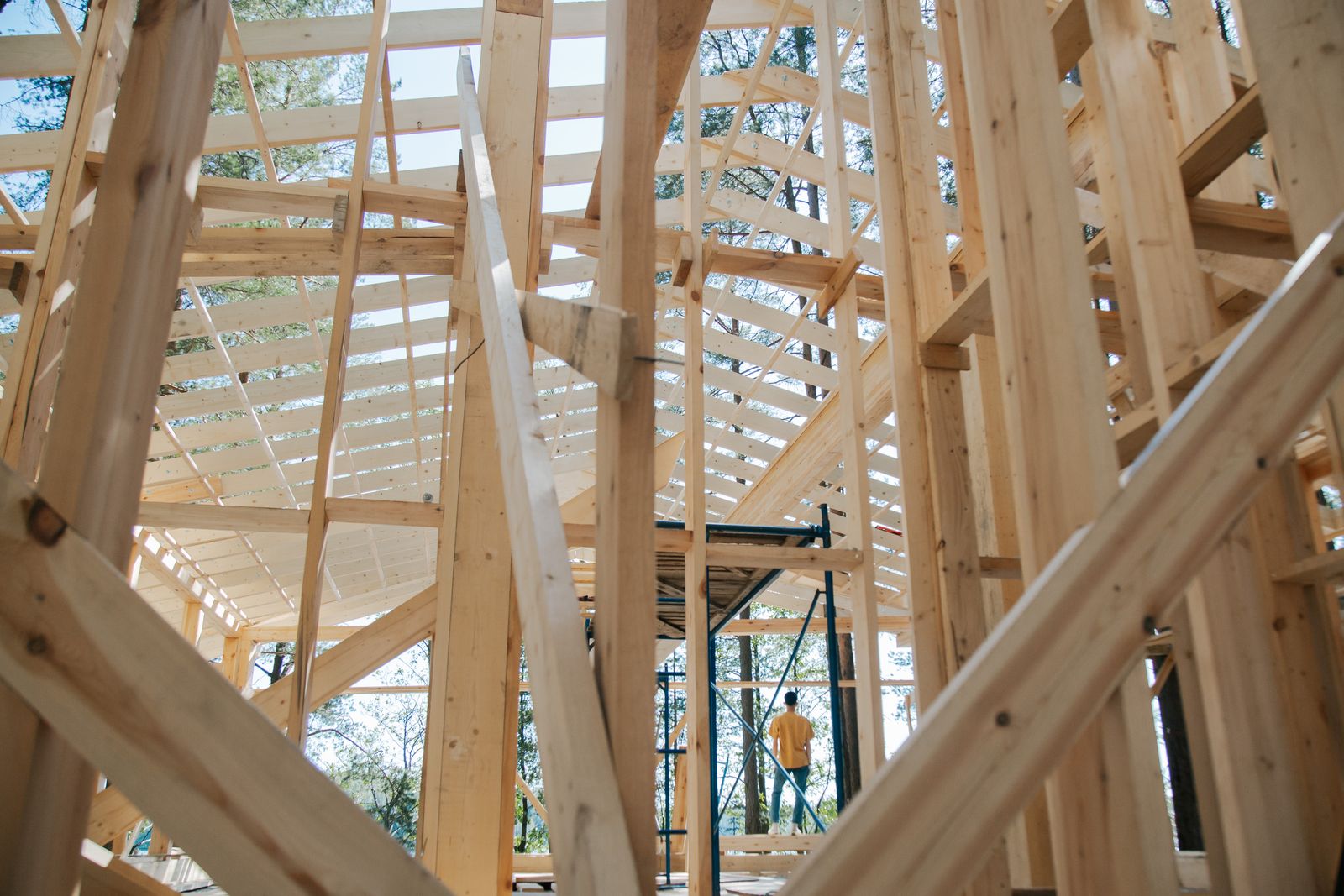
Natural ventilation is valuable, but it will not always provide full comfort — particularly on hot, humid days with little wind, or in bedrooms at night. Most coastal homeowners combine both approaches: a well-shaded, well-ventilated house for most of the day, with air conditioning in selected rooms when needed. Good passive design reduces how hard air-conditioning has to work, but the actual effect on energy use depends on the design, the site and how the house is used, so we do not promise specific savings. If air conditioning is planned, the rooms it serves should be designed to be closed and reasonably sealed, and the equipment should be suitable for coastal exposure and easy to service.
Which Building Materials Work Well in Coastal Kenya?
There is no single best material for a coastal villa. Performance depends on the specification, the design detail, the quality of workmanship and how exposed the component is. The following overview explains what to consider for the main building elements.
Why German construction quality matters in Kenya
| Material / component | Coastal risk | Selection considerations | Maintenance implications |
|---|---|---|---|
| Concrete structure | Reinforcement corrosion, cracking | Engineered design, concrete quality, adequate cover | Inspect for cracks and rust staining |
| Exposed steel | Corrosion from salt air | Suitable grade, protective coatings, avoid dissimilar metals | Regular inspection and recoating |
| Timber | Moisture, rot, termites | Species, treatment, ventilation, keeping it dry | Periodic treatment and pest checks |
| Windows and doors | Hardware corrosion, seal failure | Durable hardware, good seals, screens | Clean and lubricate hardware, replace seals |
| Exterior paint and render | Moisture, salt, UV | Exterior-grade coastal products, proper preparation | Periodic repainting |
| Roofing | Corrosion, uplift, leaks | Corrosion-resistant fixings, engineered fixing, flashing | Inspect after heavy rain and storms |
Concrete and masonry
Concrete and masonry structures are widely used on the coast and can perform well when properly engineered and built. The critical issues are concrete quality, correct mixing and curing, adequate cover to protect steel reinforcement from moisture and chlorides, and good workmanship. Reinforcement that corrodes inside concrete expands and cracks the surrounding material, so structural design and site supervision matter more than the choice of material itself.
Steel and metal components
Exposed steel and metal fittings are the components most vulnerable to salt air. Material grade, protective coatings and regular maintenance all matter. Specifying metals and coatings appropriate for coastal exposure — and avoiding combinations of dissimilar metals that encourage corrosion — is far cheaper than replacing rusted fixings later.
Timber
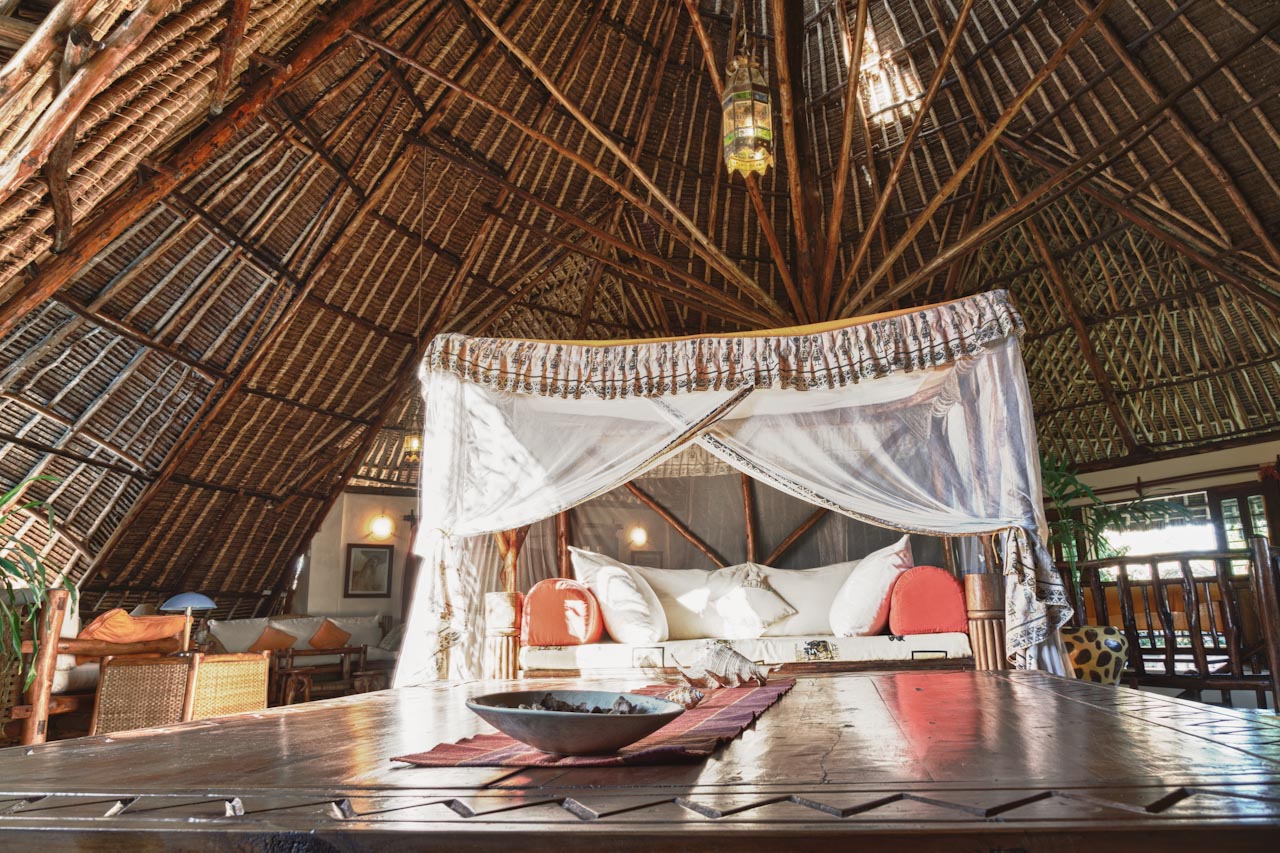
Timber brings warmth and character, and is used in many coastal homes for roof structures, ceilings, doors and furniture. Species selection, appropriate treatment, protection from persistent moisture and protection against termites and other pests are essential. Timber that stays dry and ventilated generally performs far better than timber exposed to standing water.
Windows and doors
Frames, hinges, handles, locks and sliding mechanisms all face salt and humidity. Durable hardware, effective seals, suitable glazing, provision for ventilation (including insect screens) and security should be considered together. Cheap hardware is a common early failure point on coastal homes.
Exterior finishes
Paints, renders and coatings should be selected for exterior coastal exposure and applied over properly prepared, dry surfaces. Moisture resistance and breathability both matter, and every exterior finish needs periodic maintenance.
Roofing materials
Whether you choose tiles, metal sheeting, a concrete slab, makuti thatch or another system, consider corrosion resistance, thermal performance, wind resistance, drainage and — above all — installation quality, including fixings and flashing.
Preventing Corrosion and Moisture Damage
Durability on the coast depends on an integrated approach rather than any single product. Appropriate material specifications, protective finishes, careful reinforcement detailing, waterproofing, flashing around roofs and openings, effective roof drainage, good window and door seals, sealed plumbing penetrations, adequate ventilation and regular inspection all play a part. Surface coatings help, but they are not a substitute for sound design and workmanship.
- Rainwater intrusion — water entering through roofs, walls, openings or joints; addressed with drainage, flashing, seals and waterproofing.
- Rising damp — ground moisture drawn up into walls; addressed with damp-proofing at the base of walls and good site drainage.
- Condensation — humid air meeting cooler surfaces, often in air-conditioned rooms or poorly ventilated spaces; addressed with ventilation and careful detailing.
- Corrosion — chemical degradation of metals, accelerated by salt and moisture; addressed with material selection, protection and maintenance.
Designing Roofs for Tropical Coastal Conditions
The roof is the most exposed part of a coastal villa. A good coastal roof design addresses roof form, rapid rainwater drainage, wind loading and secure fixing, thermal insulation and solar heat gain, roof-space ventilation, waterproofing and safe access for maintenance. Both pitched and flat roofs can work well on the coast when they are properly engineered and detailed. Pitched roofs shed water quickly and allow ventilated roof spaces; flat roofs can provide usable terrace space but demand particularly careful waterproofing, falls and drainage. Traditional makuti thatch offers excellent heat performance and character, but requires its own maintenance and fire-safety considerations. No roof type is inherently superior for every coastal home.
Indoor–Outdoor Living in Diani Beach
Much of daily life on the coast happens outdoors or in the space between inside and out. Covered terraces, shaded seating areas, courtyards, outdoor dining spaces and garden views all make a villa more usable — but they also raise the stakes for drainage, material selection and maintenance, because these areas are exposed to rain, sun and salt.
- Privacy — screening from neighbours and access roads, especially in gated communities.
- Insect management — screens, lighting choices and drainage that avoids standing water.
- Security — lockable openings and appropriate lighting without sacrificing ventilation.
- Weather-resistant finishes — slip-resistant floors, durable furniture and finishes suited to outdoor exposure.
Swimming Pools and Landscaping
A pool is a central feature of many coastal villas. Plan its position for sun, shade, views and privacy; make sure surrounding drainage takes water away from the pool and the house; and provide easy access to filtration and pump equipment. Consider water supply for filling and topping up, energy consumption for pumps, safety (particularly for children) and ongoing servicing. Landscaping deserves equal thought: choose plants that tolerate salt, heat and seasonal dryness, plan irrigation realistically, and keep large trees with aggressive root systems away from foundations, pipes and pool structures.
Water, Electricity and Backup Systems
Infrastructure planning is often underestimated on coastal projects. Depending on the location, consider:
- Water storage — tanks sized for actual consumption and supply reliability.
- Water quality testing — particularly for borehole water.
- Rainwater harvesting — where the roof design and site make it feasible.
- Water pressure — pumps and pressure systems for multi-storey homes.
- Solar power and battery storage — to reduce reliance on the grid and provide backup.
- Grid backup — generators or inverters for critical loads.
- Efficient cooling — appropriately sized air-conditioning and fans.
- Wastewater management — septic or treatment systems designed for the soil conditions and applicable regulations.
Choosing systems for your site
There is no standard infrastructure package for coastal homes. The right systems depend on the site, the actual consumption of the household, the reliability of local supplies and the applicable regulations. A villa used as a permanent residence has different needs from a holiday home occupied a few months a year.
Designing for Long-Term Maintenance
Construction cost is only part of the total cost of owning a coastal villa. Ongoing upkeep typically includes exterior repainting, care and replacement of metal fittings and hardware, roof inspections, clearing gutters and drains, pool servicing, air-conditioning maintenance, pest management, landscaping and water system checks. Because the right budget and intervals depend so heavily on the design, materials and exposure, we do not publish generic figures. What can be decided during design is how easy maintenance will be: accessible equipment rooms, removable panels, standard replaceable components, and safe access to roofs and gutters all reduce the cost and disruption of future upkeep — particularly for owners who live abroad.
Common Mistakes When Building a Coastal Villa
Most coastal building problems are predictable — and preventable:
Building a house in Kenya: from planning to completion · How long does it take to build a house in Kenya? · How much does it cost to build a house in Kenya?
| Mistake | How to prevent it |
|---|---|
| Copying an inland design without adapting it | Start with orientation, shading and ventilation for the specific site |
| Choosing materials on purchase price alone | Compare likely maintenance and replacement needs, not only cost |
| Underestimating corrosion exposure | Specify metals, fixings and coatings for coastal conditions |
| Neglecting ventilation and shading | Design cross-ventilation, overhangs and shaded outdoor areas |
| Ignoring drainage and site elevation | Grade the site and size roof drainage for heavy rain |
| Inappropriate fixtures or hardware | Use durable hardware suited to salt and humidity |
| Overlooking maintenance access | Plan access to equipment, roofs and gutters during design |
| Major design changes during construction | Finalise the design and specification before building starts |
| Skipping site-specific technical advice | Commission geotechnical, structural and planning checks |
| Underestimating external works and infrastructure | Budget early for drainage, water, power, landscaping and access |
Building a Coastal Villa With Palm Dream Homes
Palm Dream Homes is a German-Kenyan construction and property company based in Diani Beach, with completed residential projects on the Kenyan coast. If you are considering a villa in Diani Beach, Galu, Watamu, Kilifi or elsewhere along the coast, we are happy to discuss the suitability of a plot, your design requirements, construction planning, material choices for coastal conditions, realistic budget expectations and how the project can be coordinated — including while you live abroad. Every project starts with understanding the site and your goals.
Consultation
Planning to Build a Villa on Kenya's Coast?
Good coastal design begins with understanding the plot, climate and construction requirements. Explore how Palm Dream Homes can support your project.
Frequently asked questions
What should I consider when building a villa in Diani Beach?
+
Focus on the plot (ground conditions, drainage, access, orientation and planning restrictions), climate-responsive design (shading, ventilation, roof form), materials suited to salt air and humidity, infrastructure for water and power, and how easy the house will be to maintain. Site-specific geotechnical, structural and planning advice should come first.
What materials are suitable for coastal homes in Kenya?
+
Properly engineered and well-built concrete and masonry, appropriately treated timber kept dry and ventilated, corrosion-resistant metals and fixings, durable door and window hardware, and exterior finishes suited to coastal exposure. Specification and workmanship matter as much as the material itself.
How does salt air affect buildings?
+
Airborne salt settles on surfaces and attracts moisture, accelerating corrosion of exposed metals, fittings and electrical components and degrading some finishes. It can also contribute to corrosion of steel reinforcement if concrete cover or quality is inadequate.
Is concrete suitable for coastal construction?
+
Yes, when it is properly designed, mixed, placed and cured, with adequate cover to protect the steel reinforcement. Poor-quality concrete or insufficient cover allows moisture and chlorides to reach the reinforcement, which can lead to corrosion and cracking.
How can I keep a coastal villa cool?
+
Combine orientation, roof overhangs, shaded terraces, cross-ventilation, high ceilings, ventilated roof spaces and ceiling fans. Air conditioning in selected rooms can complement passive design during hot, humid or still conditions.
What roof is best for a house near the ocean?
+
No single roof type is best for every coastal home. Pitched roofs, flat roofs and makuti thatch can all work when properly engineered and detailed. Corrosion-resistant fixings, wind resistance, drainage, ventilation and waterproofing matter more than the roof type itself.
Do coastal villas require more maintenance?
+
Generally, exposed metals, hardware and exterior finishes need more frequent attention on the coast because of salt and humidity. Good design and material choices reduce the burden, and planning access to equipment and roofs makes maintenance easier.
Can I build a villa near the beach in Kenya?
+
It may be possible, but beachfront land can be subject to specific planning and environmental controls, and foreign ownership is limited to leasehold. Confirm what may be built on the specific plot — through title checks, county planning and, where applicable, NEMA requirements — before buying.
How do I protect a coastal house from moisture?
+
Grade the site so water flows away from the building, size roof drainage for heavy rain, use damp-proofing, waterproofing and flashing, seal openings and penetrations, and ventilate rooms and roof spaces to limit condensation. Regular inspection catches small problems before they spread.
Related topics
- →Building a house in Kenya while living abroad
- →Building a house in Kenya: step-by-step guide
- →How long does it take to build a house in Kenya?
- →How much does it cost to build a house in Kenya?
- →Why German construction quality matters in Kenya
- →Living in Diani Beach: area snapshot
- →Our construction services
- →Completed projects
- →Contact our team
About the author
Palm Dream Homes is a German-Kenyan construction and property company with decades of experience planning, managing and supervising building projects in Kenya. We combine German quality standards with deep local knowledge — on site every day, not in an office abroad.
Related guides
Construction
What Does a House in Kenya Cost? A Realistic 2026 Overview
15 September 2025 · 7 min read
What does a house in Kenya really cost in 2026? Honest per-square-metre benchmarks, typical budgets and what truly matters in planning and supervision.
Read full guideConstruction
Why German Construction Quality Makes a Difference in Kenya
10 October 2025 · 5 min read
Why the final 20 % of a Kenyan build defines its quality and how German standards combined with local on-site experience deliver a different result.
Read full guideConstruction
Building a House in Kenya While Living Abroad: A Complete Guide
1 November 2026 · 11 min read
How to plan, build and supervise a home in Kenya from overseas — from choosing the right plot and contractor to remote monitoring, payments and handover.
Read full guide